
Basketball Uniform Design Ideas: Six Style Buckets for Teams
The fastest route to a distinctive basketball uniform is picking one of six proven style buckets, locking in a 60-30-10 color rule, and matching your graphics to the right printing method: sublimation for full-bleed art, tackle twill for a premium stitched look. Build two mockups, home and away, then order a sample before committing to a full production run. Capra Sports specializes in sublimated team uniforms and builds free mockups so you can see the concept before you pay for it.
TL;DR:
- Bright colors and city motifs work well with sublimation and detailed graphics, while simple, contrasting palettes enhance readability of numbers.
- The 60-30-10 color rule ensures jersey colors do not clash, with dominant colors covering 60%, secondary colors 30%, and accents 10%.
- Numbers should be 6-8 inches front and 8-10 inches back, with bold, simple fonts to maximize quick identification during games.
- Sublimation is ideal for complex, full-coverage designs on polyester, whereas tackle twill offers a premium look for numbers and names on select jerseys.
- Starting with a mockup and ordering a sample are crucial steps to avoid costly revisions and ensure accurate colors, fabric, and fit before full production.
Table of Contents
- What Are the Best Basketball Uniform Design Styles?
- How Do You Pick Colors That Actually Work on Court?
- How Big Should Numbers and Logos Be on a Jersey?
- Which Fabric and Printing Method Fits Your Design?
- What’s the Step-by-Step Path From Idea to Finished Uniform?
- How Capra Sports Approaches Basketball Uniform Design
- Get Your Basketball Uniform Design Started
- FAQ
What Are the Best Basketball Uniform Design Styles?
Most winning designs fall into one of six buckets. Pick one before you touch a color palette, because the bucket decides everything else, from your font choice to your printing method.
Traditional designs lean on a single dominant color, block numbers, and a simple wordmark, the look programs have used for decades because officials and scouts can read it instantly.
- Solid front panel with contrast side piping
- Block numbers, 8 to 10 inches tall on the chest
- Two-color max on the primary jersey
- Best for competitive travel teams and school programs where recognition matters more than novelty
Modern styles push angular panels, gradient fades, and asymmetric color blocking, usually across performance mesh.
- Diagonal color splits across the torso
- Sublimated gradient fades from shoulder to hem
- Metallic or matte accent trim on the collar
- Fits AAU and club programs chasing a sharper, current look
Retro pulls from 1970s to 1990s color stories, think mustard, maroon, and cream paired with rounded serif numbers.
- Contrast piping down the side seam
- Chest-block script wordmark instead of a straight sans-serif
- Muted, earthy color pairs (rust and cream, navy and gold)
- Works well for alumni games and programs building a “legacy night” identity
City/cultural designs pull local landmarks, flags, or neighborhood nicknames into the graphic, often as a subtle back-panel motif.
- Skyline silhouette on the side panel
- Local flag colors as the accent tier
- Neighborhood nickname on the back yoke instead of the front
- Strong fit for rec leagues and city tournaments where community identity sells jerseys off the court
Camo uses digital or classic camo patterns as an accent panel, never the full jersey, since camo tends to swallow numbers at a distance.
- Camo side panels with a solid front for number visibility
- Single accent color pulled from the camo pattern
- Works for military-affiliated leagues and programs with a tactical brand identity
Patriotic styles use flag-inspired reds, whites, and blues with stars or stripes as a graphic element rather than a literal flag print.
- Star field on the shoulder or side panel
- Red and navy dominant, white as the accent
- Fits Fourth of July tournaments and patriotic-themed showcase games
A recent example worth studying: the Minnesota Timberwolves’ latest jersey overhaul paired small heritage callbacks with an updated, modern color treatment, a formula that applies just as well at the youth level as it does in the NBA. Save two or three reference images per style you’re considering before you move to the mockup stage.
How Do You Pick Colors That Actually Work on Court?
Color mistakes sink more jersey designs than bad fonts do. The fix is a simple, repeatable system.
- Assign your dominant color to 60% of the jersey (usually the base fabric color).
- Assign a secondary color to 30% (panels, piping, or a contrast yoke), following the 60-30-10 color distribution rule designers use to keep palettes from fighting each other.
- Reserve 10% for a true accent color on numbers, trim, or a small logo detail.
- Run the squint test: step back, blur your eyes, and check whether the number still reads clearly against the base color.
- Run the grayscale check: convert your mockup to black and white; if the number disappears into the background, your contrast is too low.
- Account for gym lighting. Indoor court lighting flattens saturated colors, so test your mockup under a warm, dim light setting, not just on a bright monitor.
Gradients and intricate all-over prints read beautifully on a flat screen and disappear on a moving player under gym lights. Save the busy graphics for accent panels, not the number field.
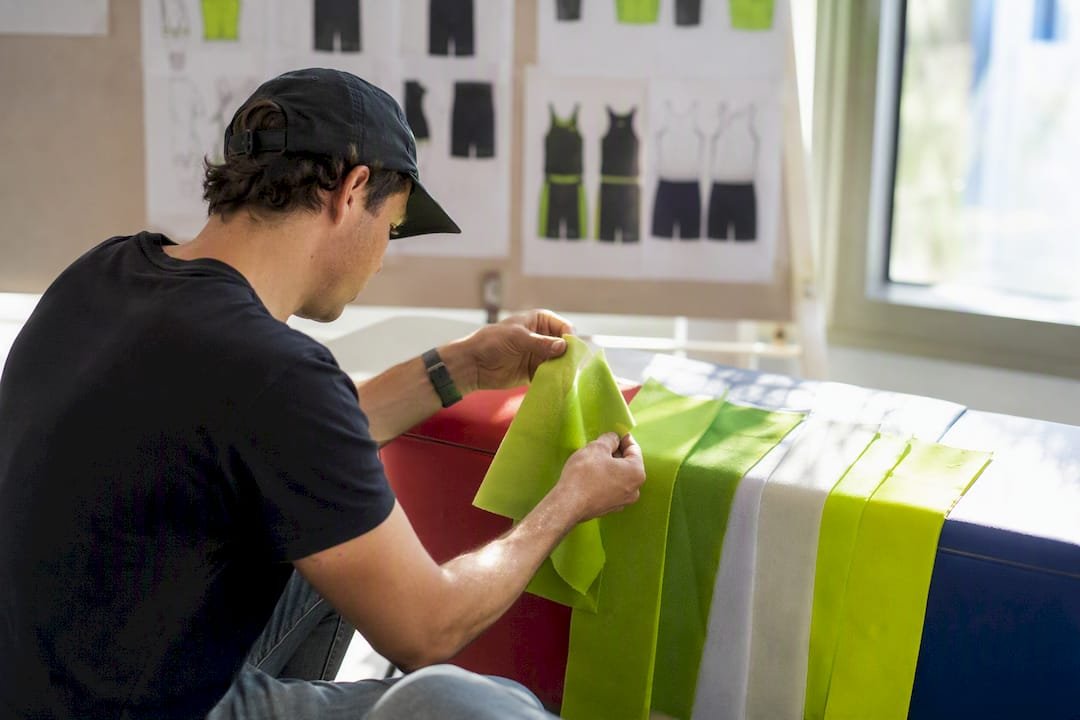
Pro Tip: Print a physical color swatch on the actual fabric before finalizing. Screen colors and dye-sublimated fabric colors rarely match exactly, and a Pantone reference on paper won’t save you from a surprise on delivery.
How Big Should Numbers and Logos Be on a Jersey?
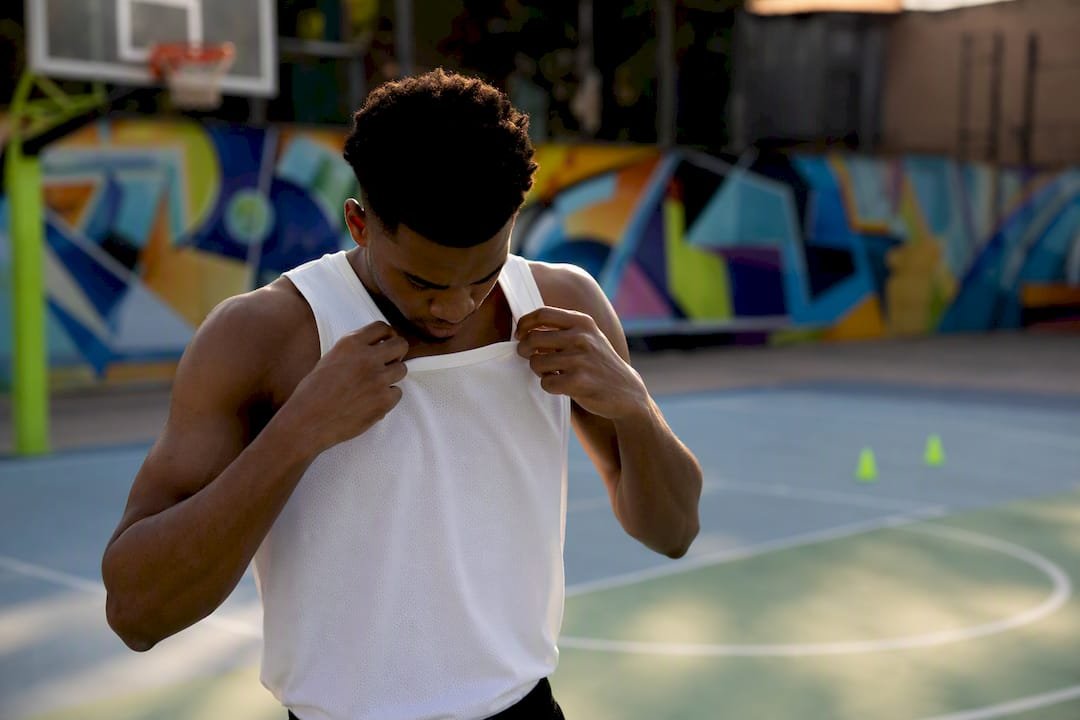
Readability beats novelty every time. A referee, scorekeeper, or parent in the bleachers needs to identify a player in under two seconds.
- Front numbers: 6 to 8 inches tall; back numbers: 8 to 10 inches tall, following standard proportions used across most competitive levels.
- Choose a bold sans-serif or a clean block serif. Skip script fonts for numbers; save script for the team wordmark only.
- Center the chest wordmark for a classic look, or shift it to a left-chest badge for a more modern, athletic-brand feel.
- Keep at least a half-inch of clear space around any sponsor logo so it never competes with the team name or number.
- Stitched (tackle twill) numbers give a premium, tactile finish that surface printing can’t fully replicate, worth considering for varsity or showcase jerseys.
Which Fabric and Printing Method Fits Your Design?
Your graphic complexity should decide your printing method, not the other way around.
- Sublimation bonds dye directly into polyester fibers, producing full-color, all-over prints that won’t crack or peel over a season. It’s the right call for gradients, photo-quality graphics, and city/cultural motifs with fine detail.
- Screen printing works fine for simple, one to three color designs but adds weight and can crack on high-stretch mesh over time.
- Tackle twill stitched lettering adds a raised, premium texture, ideal for numbers and team names on showcase or alumni jerseys.
- Sublimation only works on polyester or polymer-rich fabric; the dye needs polymer fibers to bond to, so it won’t take on cotton or natural-fiber blends.
- Choose mesh for ventilation in hot gyms, or solid knit when you need sharper print fidelity on fine detail work.
Durability note: stitched tackle-twill numbers generally outlast printed numbers on jerseys that see heavy wash cycles, while sublimated graphics resist the cracking and fading that plague screen-printed designs after repeated laundering. Order minimums matter here too. Screen printing often requires higher minimums to justify setup costs, while sublimation and digital methods scale down more easily for smaller teams.
What’s the Step-by-Step Path From Idea to Finished Uniform?
A clean workflow saves you from expensive revisions after production starts.
- Pick your style bucket (traditional, modern, retro, city/cultural, camo, or patriotic).
- Lock your palette and fonts using the 60-30-10 rule.
- Build two mockups, home and away, so you can compare light and dark versions side by side.
- Run visibility checks, squint test and grayscale, on both mockups.
- Compile a Pantone and spec sheet listing exact colors, fabric type, and trim details.
- Request a sample or refined mockup before committing to the full order.
- Finalize export files and place your order.
Your export package should include outlined fonts (never live text), clear layer notes for your printer, and a filled-out number template showing every size and placement. Before approving anything, run it against a seven-point check: correct team name spelling, accurate number placement, sponsor logo clearance, color match to your Pantone sheet, correct fabric weight noted, size range confirmed, and a visible signature or initials from whoever approved the final file.
Pro Tip: Order one sample in a mid-range size and one in your largest player’s size before the full run. A design that fits perfectly on a size medium mockup can distort badly on a 3XL, especially with side-panel graphics.
How Capra Sports Approaches Basketball Uniform Design
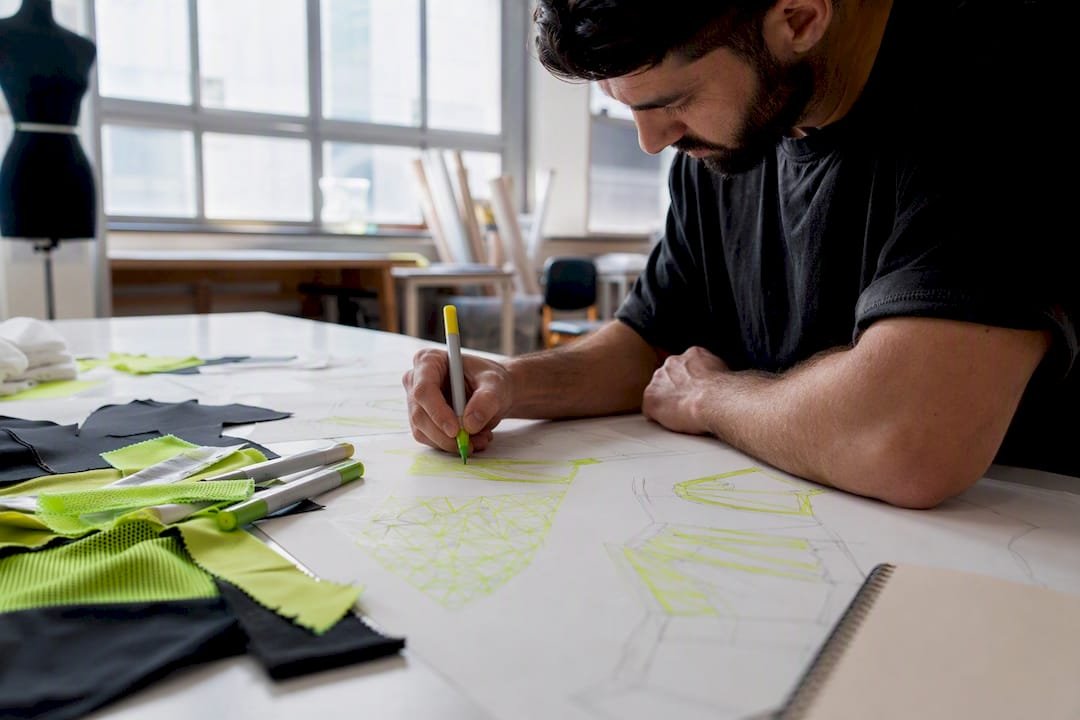
Capra Sports pairs every team with a professional designer for unlimited revisions, not a one-shot template tool. That direct collaboration, combined with free 24-hour mockups and published quantity pricing, removes the two biggest friction points in custom uniform design: not knowing what you’ll get, and not knowing what it costs.
A realistic team minimum matters more than most first-time buyers realize. A 10-player rec team chasing a bold camo-accent design shouldn’t need to order 30 jerseys to make the math work, and with Capra Sports, where team orders start at 10 sets, they don’t. On the other end, a competitive club running an all-over sublimated cityscape design with tight color-matching needs gets the same unlimited-revision process, just with more rounds spent dialing in gradient transitions and Pantone accuracy.
Both teams land in the same place: a sample in hand before the full order ships.
— Agha
Get Your Basketball Uniform Design Started
Capra Sports builds sublimated basketball uniforms with free 24-hour design mockups, a 10-set team minimum, and direct access to a professional designer for unlimited revisions, a real advantage over ordering from a template catalog where “customization” means swapping a logo into a fixed layout. If you’ve picked a style bucket and a color direction from this guide, the next step is turning that idea into a mockup you can actually see on a jersey.
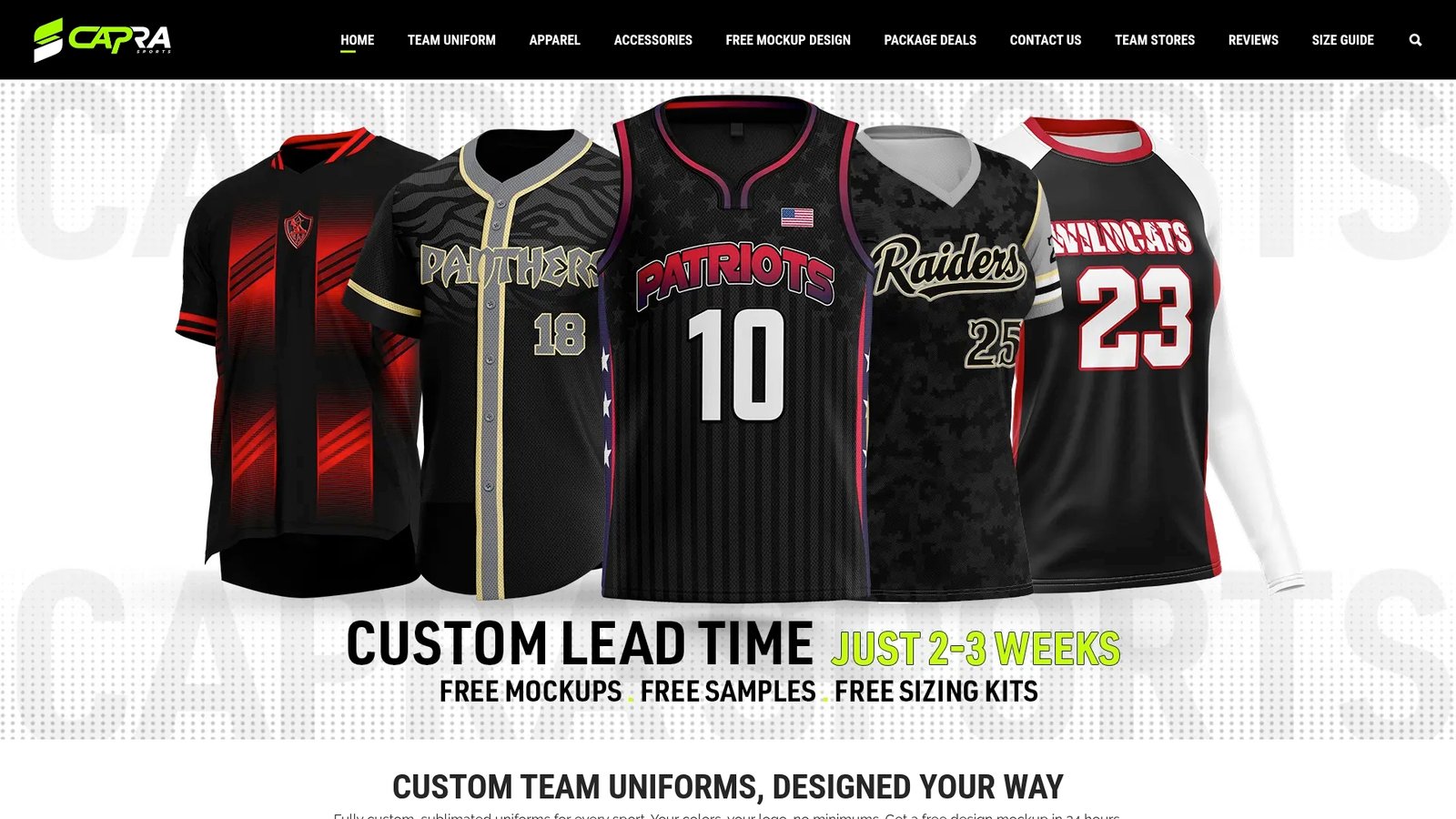
Whether you’re outfitting a 10-player rec squad or a varsity program that needs an all-over sublimated design with precise color matching, the process starts the same way: submit your concept and get a free mockup within 24 hours. Browse basketball team packages for kit options, or check the size guide before you request your free sizing sample. With team orders starting at 10 sets, your design doesn’t have to wait for a bigger roster to make sense. Start your mockup request today and see your team’s design before you commit to a full order.
FAQ
What Are Some Cool Basketball Uniform Design Ideas?
City/cultural designs with a skyline silhouette on the side panel, retro color pairs like maroon and cream with rounded numbers, and camo accent panels on an otherwise solid jersey all read as distinctive without sacrificing number visibility.
How Do You Create a Basketball Jersey Design?
Pick a style bucket, apply the 60-30-10 color rule, choose a font and number size that prioritizes readability, then build a mockup and run a squint test and grayscale check before finalizing files for production.
What Is the Best Design for a Basketball Jersey?
There’s no single best design, but the strongest ones share three traits: high contrast between the number and background, a clear dominant color under the 60-30-10 rule, and a printing method matched to the graphic’s complexity. Capra Sports’ designers build these checks into every free mockup.
Where Can You Find Basketball Jersey Design Templates?
The Capra Sports basketball design catalogue shows 100 completed designs across traditional, modern and patriotic styles, and any of them can start as a free 24-hour mockup in your team’s colors.