
Football Numbers by Position: The Complete Rulebook
Jersey numbers in American football aren’t random. The NFL, NCAA, and NFHS each assign number ranges to position groups mainly so officials can spot eligible receivers at a glance and rule on plays without guesswork. Get the number wrong, and a wide-open catch turns into an illegal-touching penalty.
Here’s the NFL’s current top-line map:
- 0 and 1-19: quarterbacks, kickers, punters, wide receivers
- 20-49: running backs, defensive backs
- 50-59: centers and linebackers
- 60-79: offensive and defensive linemen
- 80-89: wide receivers and tight ends
- 90-99: defensive linemen and linebackers
Exceptions exist. Preseason numbering is more flexible to accommodate larger rosters, and linemen can become temporarily eligible pass catchers by reporting to the referee. College and high school football apply similar but generally looser and sometimes state-specific numbering rules.
Key Takeaways
Jersey numbers follow position-based ranges mainly so officials can identify eligible receivers instantly, and those ranges shift slightly between the NFL, NCAA, and NFHS.
| Point | Details |
|---|---|
| NFL ranges are eligibility-driven | Numbers 50-79 are presumptively ineligible receivers unless a player reports eligible before the snap. |
| Number 0 is back | The NFL and NCAA both now permit 0 after previously banning single-zero jerseys for decades. |
| College and high school vary | NCAA mirrors NFL ranges loosely; NFHS sets a baseline but state associations enforce it differently. |
| Preseason allows flexibility | Camp rosters can use temporary numbers, but teams must comply with standard ranges by the regular season. |
| Order with a verified roster | Capra Sports uses free mockups and a size guide to catch numbering conflicts before jerseys print. |
Table of Contents
- Official NFL Numbering Rules by Position
- How College and High School Numbering Rules Differ
- Why Eligible Receiver Rules Drive the Numbering System
- Special Cases: Preseason Numbers, Retired Digits, and 00
- A Coach’s Workflow for Assigning Jersey Numbers
- Getting Your Roster Right When You Order Jerseys
- Official Rules and Reference Pages
- A Note on Getting Numbers Right the First Time
- Order Jerseys That Match Your Roster, Not Just Your Roster Sheet
- Sources
- FAQ
Official NFL Numbering Rules by Position
The NFL’s numbering system exists for one practical reason: it lets officials, coaches, and broadcasters instantly identify who’s allowed to catch a forward pass. That single function has shaped nearly every rule change to the numbering chart since the league standardized it decades ago.
| Number Range | Primary Positions | Eligibility Notes |
|---|---|---|
| 0-19 | Quarterbacks, kickers, punters, wide receivers | Automatically eligible receivers |
| 20-49 | Running backs, fullbacks, defensive backs | Automatically eligible (offense); no restriction on defense |
| 50-59 | Centers, linebackers | Offensive players here are ineligible unless reporting |
| 60-79 | Offensive and defensive linemen | Ineligible as receivers unless reporting eligible |
| 80-89 | Wide receivers, tight ends | Automatically eligible receivers |
| 90-99 | Defensive linemen, linebackers | No offensive eligibility implications (defense only) |
Notice the overlap between 50-59 and 90-99. Linebackers can wear either range, which is why you’ll see a rookie linebacker in the 50s one year and the 40s or 90s the next depending on roster fit. Centers almost always sit in the 50-59 band specifically because that number instantly flags them as an ineligible receiver, a critical cue when a tackle-eligible trick play sends a lineman downfield.
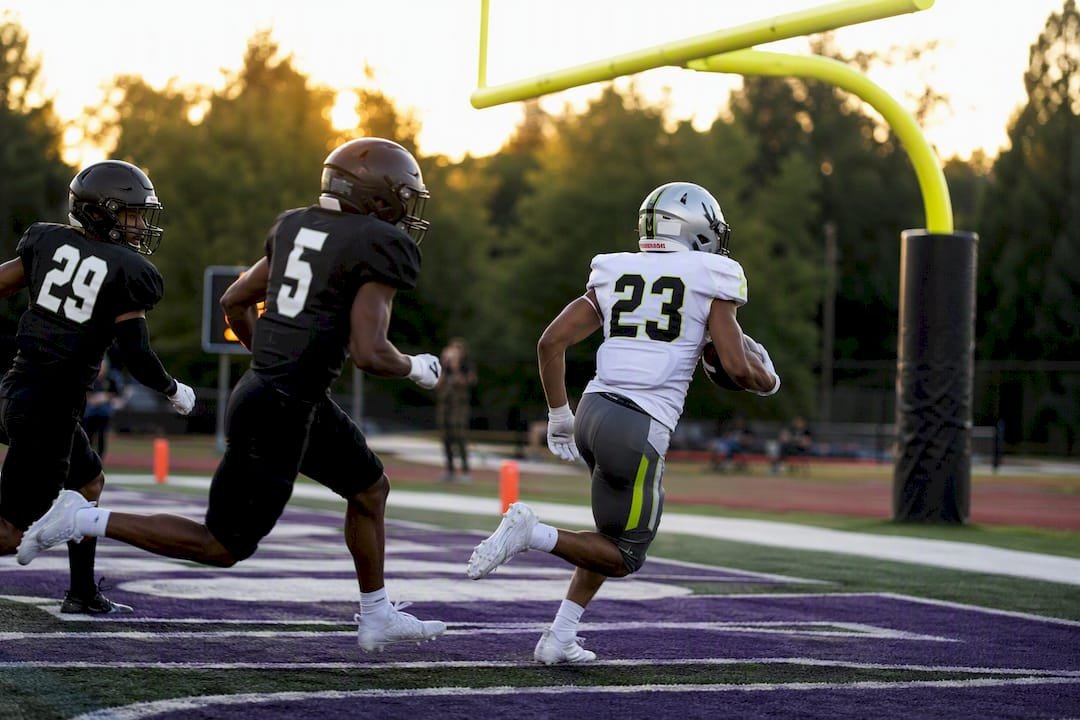
The reintroduction of jersey number 0 stands out as the most talked about recent change. After a long ban, the NFL reinstated the use of single-zero jersey numbers, allowing skill-position players to select these lower digits in line with personal or collegiate preferences.
Preseason numbering works differently than the regular season. Teams carry bloated camp rosters, sometimes 90 players deep, so the NFL permits temporary number assignments outside the standard ranges just to get everyone a jersey. Those numbers must fall back into compliant ranges by the regular season, and any unusual request outside the normal system needs Commissioner approval.
Officiating hinges on these ranges every single snap. A player wearing 50-79 who lines up as a receiver is presumed ineligible by default, meaning a pass thrown to him is illegal touching unless he reported to the referee before the snap. That single rule is why the numbering chart isn’t cosmetic. It’s a functional signal system built into the fabric of how the game gets called.
How College and High School Numbering Rules Differ
NCAA football borrows heavily from the NFL’s structure but stays looser about enforcement. Colleges generally follow the same range logic, with linemen in the 50s and 60s, skill players in single digits and the teens, and defensive linemen and linebackers in the 90s. The NCAA also adopted the number 0 in recent years, following the NFL’s lead and giving programs another option for players who want a distinctive digit.
A few things separate college from the pros:
- The NCAA allows a wider pool of players to wear single-digit numbers without the strict positional gatekeeping the NFL enforces.
- Reporting-eligible procedures exist in college too, but referees announce them with slightly different verbal cues depending on conference officiating crews.
- Number changes between seasons happen more freely in college since there’s no league-wide uniform-number database tracking retired numbers across programs.
High school football runs on a different rulebook entirely. The NFHS sets baseline numbering guidance for eligible-receiver identification, but individual state athletic associations interpret and enforce it with real variance. Some states mirror NFL-style ranges closely; others give coaches far more freedom to number players however rosters shake out, as long as ineligible linemen stay clearly marked.
If you’re a player moving from high school to college, or college to the pros, don’t assume your old number transfers. A high school running back who wore 88 might need to shift into the 20s or 40s at the next level simply because the new league’s chart draws the eligibility lines differently. Coaches handling transfers should check the specific level’s chart before printing a single jersey.
Why Eligible Receiver Rules Drive the Numbering System
The entire structure exists to answer one question fast: can this player legally catch a forward pass? Officials don’t have time to memorize personnel packages play by play, so the league builds the answer into the number itself. Players wearing 50-79 are presumptively ineligible receivers) unless they report otherwise before the snap.
Reporting eligible works like this: a lineman tells the referee he’s lining up as a receiver on that play. The referee then announces it to both benches and the crowd, sometimes over the stadium PA, so defenders and officials both know to treat him as a live target. Skip that step, and a legal trick play becomes an illegal-touching penalty even if the pass is caught cleanly.
This system also speeds up penalty calls. If a 66 sprints downfield and a pass sails his way, an official doesn’t need to check a roster card. The number alone tells him whether to throw a flag. That speed matters on a play clock, and it’s a big reason why leagues have resisted loosening the ranges even as offenses get more creative with personnel groupings.
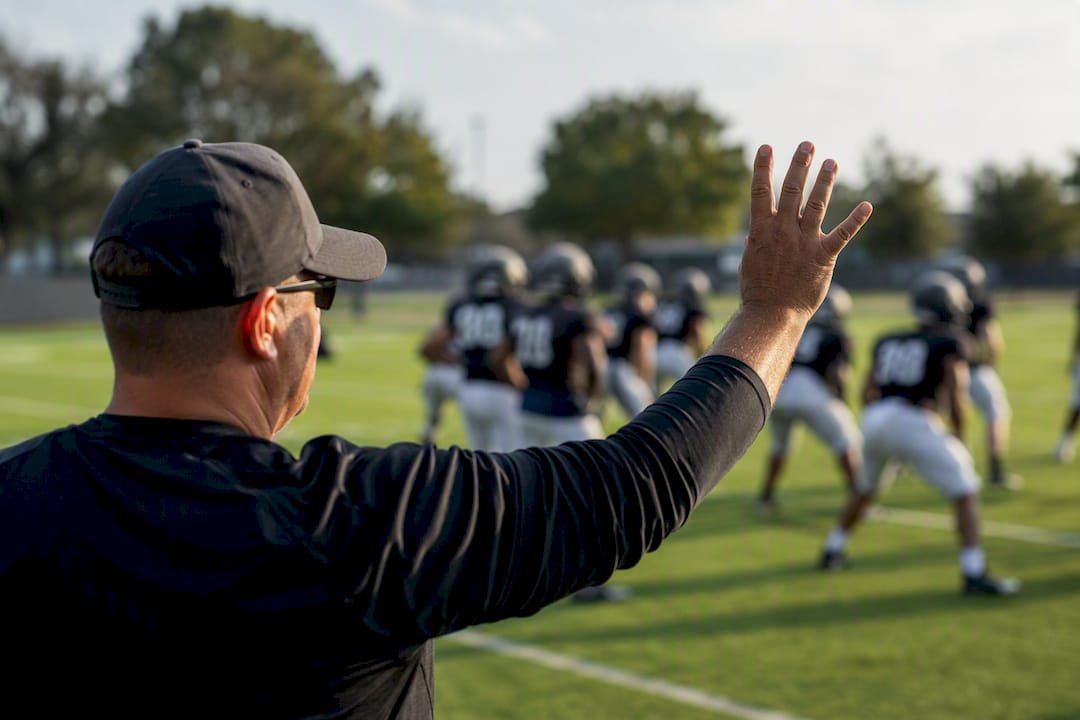
Pro Tip: If your team runs tackle-eligible plays, drill the reporting-eligible communication in practice. A missed report is one of the easiest penalties to draw, and officials have no discretion once they spot an unreported ineligible number downfield.
Special Cases: Preseason Numbers, Retired Digits, and 00
A handful of edge cases explain most of the “why is that number weird” questions fans and coaches ask:
- Preseason flexibility. Camp rosters routinely balloon past 80 players, so teams temporarily assign numbers outside standard ranges. Everyone must switch to a compliant number by the regular-season opener.
- Reporting eligible. This is a play-by-play designation, not a permanent number change. The referee announces it before the snap, and it applies only to that play.
- Retired numbers. Teams sometimes need a retired digit back for roster reasons, and franchises have de-retired or reissued numbers when league rules or roster crunches require it.
- Practice squad quirks. Practice-squad players sometimes wear numbers outside the standard active-roster chart since they’re not on the field for real games.
- 0 and 00. Long banned, single and double zero have made a comeback and now follow the same eligibility logic as any other digit in their range.
A Coach’s Workflow for Assigning Jersey Numbers
Rules only matter once you translate them into an actual roster. Here’s a workflow that keeps you out of trouble:
- Map position groups first. List your linemen, skill players, and defenders before assigning a single number.
- Reserve eligibility-sensitive ranges. Lock in 50-79 for linemen and true linebackers before opening up the rest of the chart.
- Collect player preferences. Let players request numbers, then resolve conflicts by seniority or position need, with a backup number ready for duplicates.
- Double-check eligibility-sensitive roles. Confirm no skill player accidentally landed in an ineligible range and no lineman got assigned a receiver-eligible number by mistake.
Once numbers are locked, build your order sheet: sizes for every player, primary and alternate numbers, any retired digits to avoid, and a signed-off mockup before production starts. The single biggest pitfall coaches run into is ordering duplicate numbers because two rosters (varsity and JV, for instance) got merged without a cross-check.
Pro Tip: Finalize your number chart at least two weeks before your uniform order goes to print. Late position changes after cleats hit the field are the number one cause of reorders.
Getting Your Roster Right When You Order Jerseys
Rules on paper don’t help much if your printed jerseys don’t match your roster. Capra Sports builds a free mockup and size guide into every order specifically to catch numbering mistakes before they hit fabric.
What to send when you’re ready to order:
- Exact roster with primary and alternate numbers noted
- Sizes per player, confirmed against a current size chart
- Any retired or off-limits numbers your program avoids
- Final mockup approval before production starts
When a number’s eligibility status is in question, the official rulebook for your level (NFL, NCAA, or NFHS) is the final word, not a supplier’s default chart.
Official Rules and Reference Pages
For current, level-specific language, check these sources directly:
- NFL jersey numbering historical notes for range history and rule changes
- NFHS guidance for high-school baseline rules
- Your state athletic association’s rulebook for local enforcement details
A Note on Getting Numbers Right the First Time
Most numbering disputes I’ve seen trace back to one thing: someone assumed a number was fine because it “looked right” instead of checking the actual range chart. Coaches lose time and money reordering jerseys over avoidable eligibility conflicts. Run your roster through the checklist above before you approve a mockup, and you’ll skip that headache entirely.
Order Jerseys That Match Your Roster, Not Just Your Roster Sheet
Getting numbers right on paper is only half the job. Capra Sports turns a confirmed roster into finished jerseys fast, with a free design mockup, a detailed size guide, and no minimum order quantity holding smaller programs back.
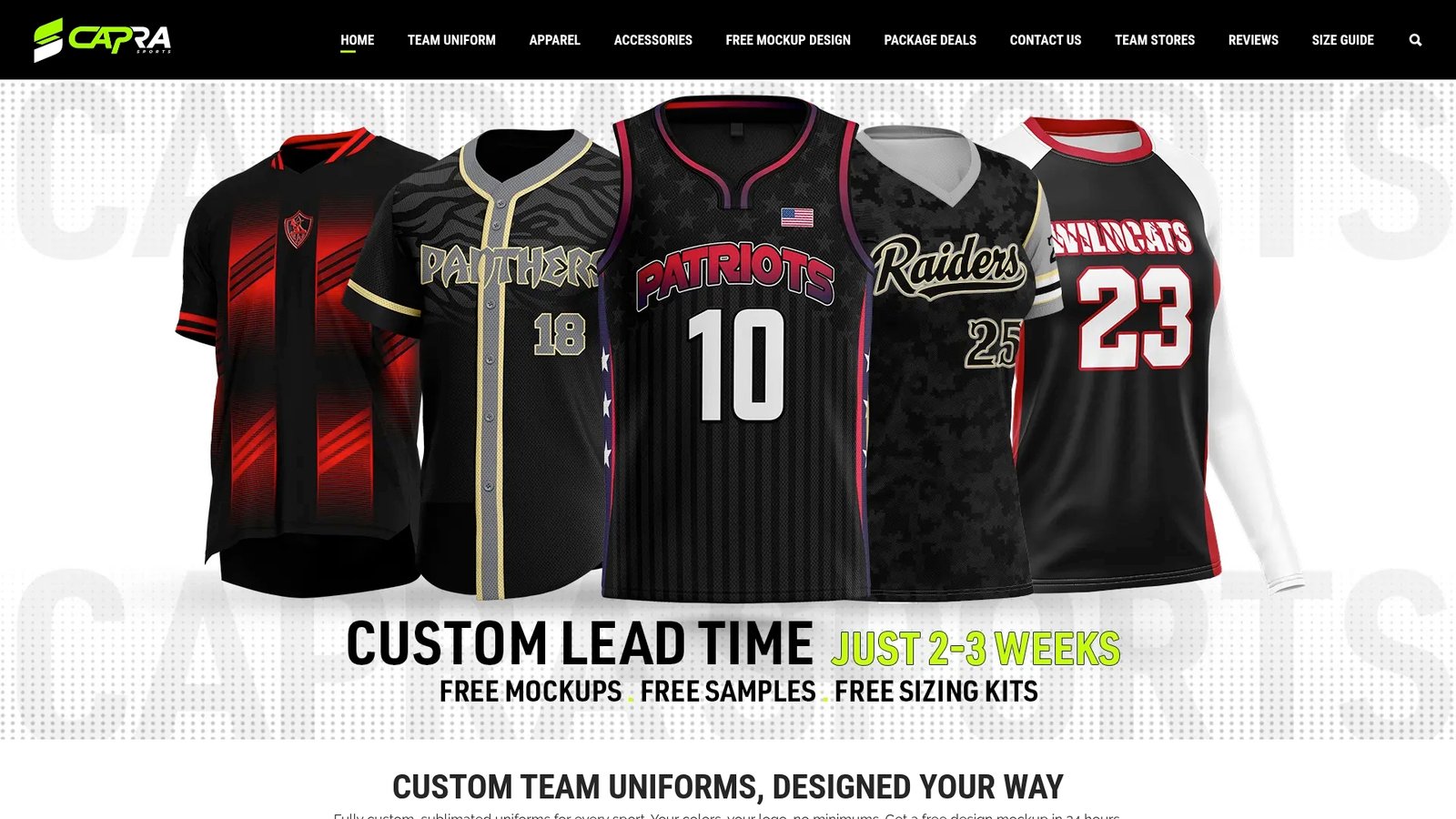
Factory-direct pricing means you’re not paying markup to a middleman for a service you could get straight from the source, and direct access to a professional designer means unlimited revisions until every number, color, and size is confirmed before production starts. That matters most for programs juggling varsity and JV rosters at once, where duplicate numbers are the easiest mistake to make.
If your roster’s locked and your numbers check out against the eligibility ranges above, start your order on the custom football uniforms page or request a free mockup first to see exactly how your numbers will look before you commit.
Sources
FAQ
Is Number 69 Banned in the NFL?
Yes, the NFL restricts certain individual digits due to past controversies, treating them as off-limits rather than just following the standard lineman ranges.
Who’s Richer, Peyton Manning or Tom Brady?
That’s a net-worth comparison unrelated to jersey numbering rules and isn’t something this article’s sources address; check financial reporting outlets for current net-worth estimates.
What Does 17 Mean in Football?
Seventeen falls in the NFL’s 1-19 range, typically worn by quarterbacks, kickers, punters, or wide receivers since that band is automatically eligible to catch passes.
What Position Is 22 in Football?
Number 22 is in the 20-49 range, typically worn by running backs and defensive backs, who are automatically eligible or not restricted by receiver-eligibility rules.
Can a Lineman Ever Wear a Receiver Number?
Only temporarily through a permanent position change; otherwise, a player numbered 50-79 stays ineligible as a receiver unless he reports eligible to the referee before a specific play.