
What Is Sublimation Printing? Why It Lasts on Team Uniforms
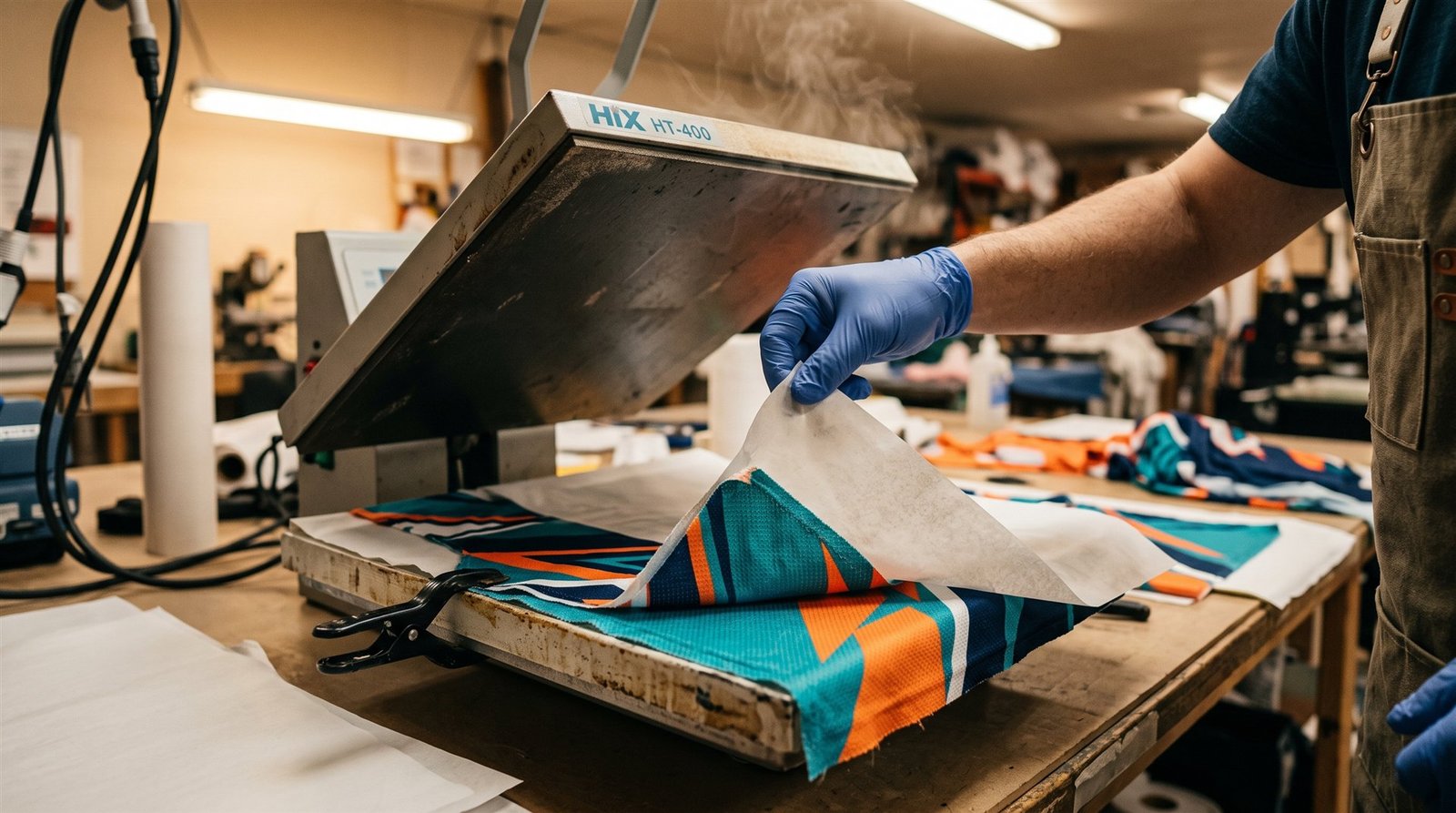
Peel the transfer paper off a sublimation press and something odd has happened: the fabric underneath is not printed so much as changed. Run a thumb over the design and there is nothing to feel — no layer, no edge, no texture. The color is not sitting on the surface. It is inside the threads, and it is not coming out.
That one physical fact explains almost everything about why modern team uniforms are made this way, so it is worth understanding — especially if the last set of jerseys your team owned came back from the printer with numbers that cracked by playoffs.
What sublimation actually is
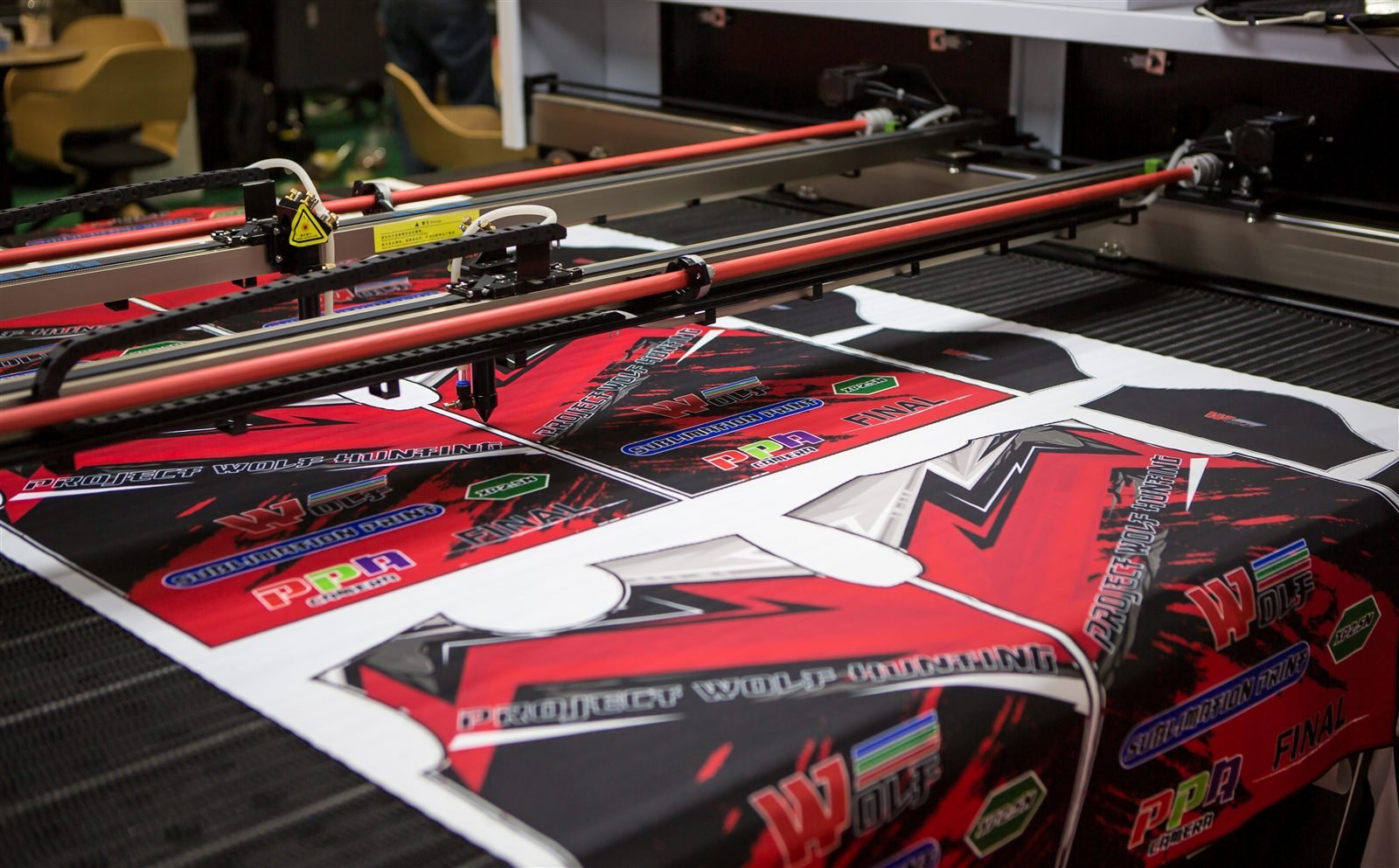
Sublimation is a dye process, not an ink process. Your full design — base color, patterns, names, numbers, sponsor logos — is printed onto transfer paper with special dyes. Under a heat press at around 400 degrees, those dyes skip the liquid stage entirely and turn straight from solid into gas (that phase change is literally what “sublimation” means). The gas bonds with polyester fibers at the molecular level, and when everything cools, the dye is locked inside the fiber itself. The printed panels are then cut and sewn into the finished jersey — the garment is built after and around the design, as the full production walkthrough shows.
Into the fiber, not on top of it
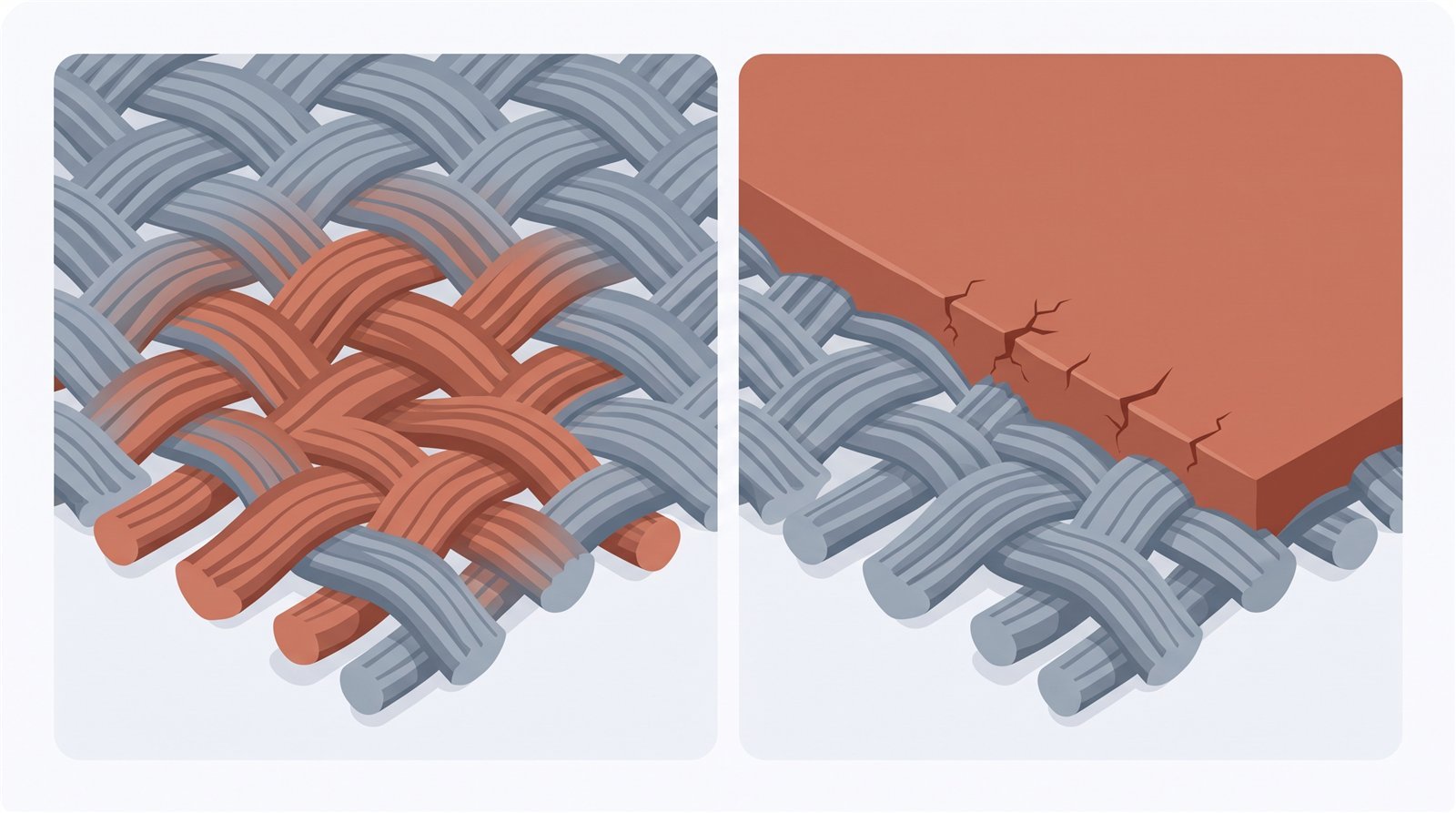
Every other common method — screen printing, heat transfer vinyl — puts a physical layer on top of finished fabric. That layer is where the trouble lives: it stiffens the fabric, traps heat, and eventually cracks or peels because it stretches differently than the shirt underneath. Sublimation has no layer. There is nothing to crack, nothing to peel, nothing to feel. The comparison below is the whole argument in one picture.
What that means for a season of games
Durability is the headline: sublimated designs survive a full season of contact, slides, and weekly washing without fading, because normal laundry cannot reach dye that lives inside the fiber. But the quieter benefits matter just as much. The jersey stays exactly as light and breathable as unprinted fabric, even under an all-over design. And because the whole panel is dyed in one pass, unlimited colors and gradients cost nothing extra — a twelve-color fade prints the same as a solid block, which is why sublimated uniforms can be genuinely custom instead of a logo dropped on a stock shirt. (The three methods go head-to-head in sublimation vs screen printing vs heat transfer.)
The one thing it cannot do
Sublimation dye bonds with polyester, not cotton — and it dyes color in rather than painting it over, so it wants a light base fabric. Neither is a real limitation for team sports: performance jerseys are polyester anyway, and dark uniforms are made by dyeing the dark color into the jersey itself. It simply means your cotton fan tees will keep being screen printed, and your game uniforms should not be.
Frequently asked questions
What is sublimation printing?
A printing method where heat turns solid dye into gas that bonds permanently with polyester fibers, making the design part of the fabric itself.
How is sublimation different from screen printing?
Screen printing layers ink on top of a finished garment; sublimation dyes the design into the fabric before the garment is sewn, with unlimited colors and full-jersey coverage.
Does sublimation fade or crack over time?
No. There is no printed layer to crack or peel, and normal washing does not fade dye that lives inside the fiber.
Does sublimation work on any fabric?
It works on polyester and poly blends — standard performance sportswear. It does not work on cotton, which is why cotton fan tees are screen printed instead.
Want to see it on your team’s design? Get a free sublimated uniform mockup in 24 hours — no minimums, no commitment.